Paul Bauer · 18 November 2026
Developing Mobile Beauty Units for Serving Clients in Scattered Highland Settlements
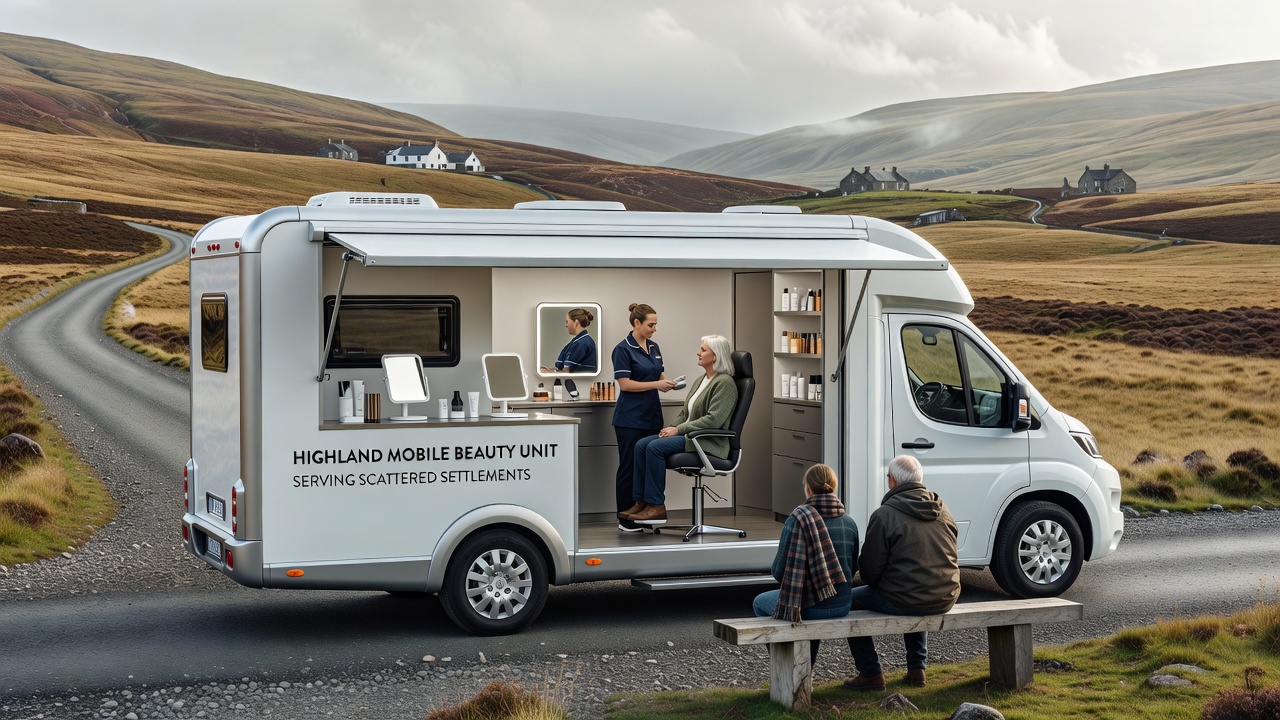
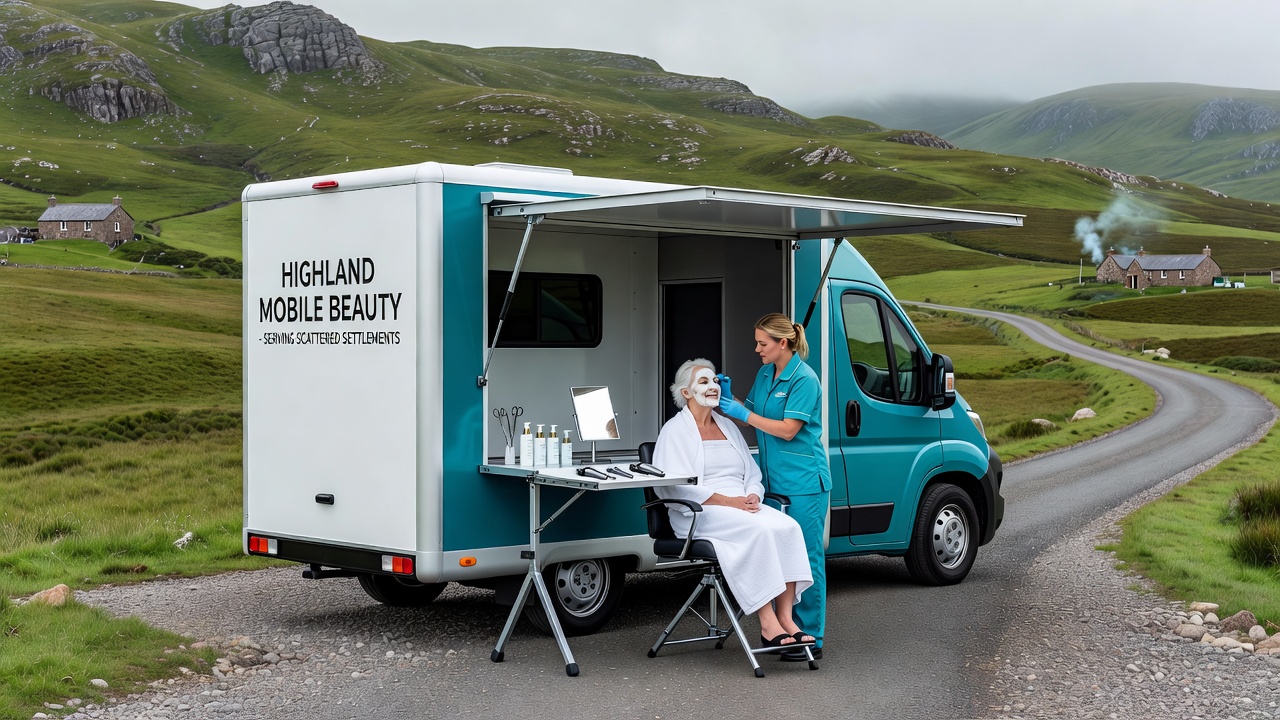
Highland settlements often sit far apart with limited road access, and developing mobile beauty units requires engineering teams to focus on vehicle chassis that handle steep grades along with variable weather patterns. Engineers integrate reinforced suspension systems and all-terrain tires while designers allocate space for compact workstations that remain stable during transport. These units typically combine utility vans or small trucks with custom interiors that include water tanks, power generators, and climate control to maintain product integrity across elevation changes.
Engineering Foundations for Remote Operations
Teams start by assessing terrain data from regions such as the Scottish Highlands and the Canadian Rockies, where elevation shifts exceed 1,000 meters within short distances. Structural modifications include low-center-of-gravity frames and hydraulic leveling jacks that deploy on uneven ground, allowing operators to set up stations without external support. Power systems draw from solar panels paired with lithium batteries, which supply consistent energy for lighting, heating tools, and refrigeration units that protect sensitive formulations during long drives between sites.
Water management plays a central role, as sources in highland areas can vary in mineral content and availability. Units incorporate multi-stage filtration along with onboard heating elements that adjust temperatures for different service types, and waste collection tanks meet environmental standards set by regional authorities. Observers note that these features reduce reliance on local infrastructure, which often lacks capacity for frequent commercial use.
Operational Logistics and Scheduling
Service routes rely on satellite mapping combined with seasonal weather forecasts to plan visits that avoid peak snow or rainfall periods. Coordinators group clients in clusters of three to five settlements per trip, which cuts fuel consumption and extends unit lifespan. November 2026 marks the start of an expanded pilot in parts of the Austrian Alps, where operators will test updated routing software that incorporates real-time avalanche risk alerts from meteorological agencies.
Staff training covers both technical maintenance and client communication in remote settings, with emphasis on quick setup procedures that take under thirty minutes. Data from similar programs shows that units equipped with modular furniture achieve higher daily appointment volumes, while teams track performance through digital logs that record service times and equipment status.
Regulatory Compliance Across Regions
Developers align vehicle specifications with transport regulations that differ by country, including weight limits on narrow mountain passes and emission standards for diesel or electric models. In the European Union, guidelines from the European Commission on rural mobility encourage low-emission conversions, while Australian transport authorities provide frameworks for off-road vehicle certifications used in similar isolated communities. Safety protocols require regular inspections of gas lines, electrical systems, and emergency equipment to address risks associated with high winds and temperature drops.
Insurance providers have begun offering specialized coverage for these units, factoring in factors such as altitude-related mechanical stress and limited access to repair facilities. Records indicate that compliance reduces downtime, allowing consistent service delivery even when unexpected weather delays occur.
Technology Integration for Client Services
Modern units feature digital booking platforms that sync with offline modes, ensuring appointments remain manageable without continuous connectivity. Portable diagnostic tools help staff assess skin or hair conditions accurately under varying light conditions, and inventory software tracks product usage to trigger restocking alerts before units return to base. Researchers at institutions focused on rural service delivery have documented efficiency gains when units incorporate satellite internet for order processing and client follow-up.
Adaptations for client comfort include adjustable seating and privacy partitions that fit within compact footprints, while ventilation systems maintain air quality during extended sessions. These elements support repeat visits by addressing the practical challenges of delivering consistent experiences across dispersed locations.
Conclusion
Development of mobile beauty units continues to evolve through iterative testing in actual highland environments, where feedback from operators drives refinements in design and logistics. Data collected through ongoing pilots informs future iterations, and cross-regional collaboration helps standardize practices that balance service quality with environmental considerations. As programs expand into 2026 and beyond, these units provide measurable improvements in access for residents in scattered settlements.