Zoe Reed · 4 November 2026
Navigating Barometric Shifts and Their Effects on Chemical Service Timing for Color Specialists at Peak-Area Studios
Barometric pressure changes influence the chemical reactions that occur during hair coloring processes, and color specialists adjust service timing accordingly to maintain consistent results. These shifts arise from weather systems moving through regions, and data from meteorological agencies show that pressure variations occur regularly across urban and suburban areas served by peak-area studios. Research indicates that lower pressure environments accelerate evaporation rates in peroxide-based formulas, while higher pressure can slow molecular diffusion into the hair shaft.
How Atmospheric Pressure Interacts with Hair Chemistry
Atmospheric pressure affects gas solubility and boiling points in the liquids used for bleaching and dyeing. When pressure drops ahead of a front, dissolved gases escape more readily from developer solutions, which alters the oxidation timeline for melanin breakdown. Studies from the National Oceanic and Atmospheric Administration document these pressure fluctuations in detail, and color specialists monitor local readings to predict when adjustments become necessary. The same pressure changes also modify how alkaline agents in color formulas penetrate the cuticle layer, since reduced external pressure allows internal hair moisture to expand slightly and open pathways faster.
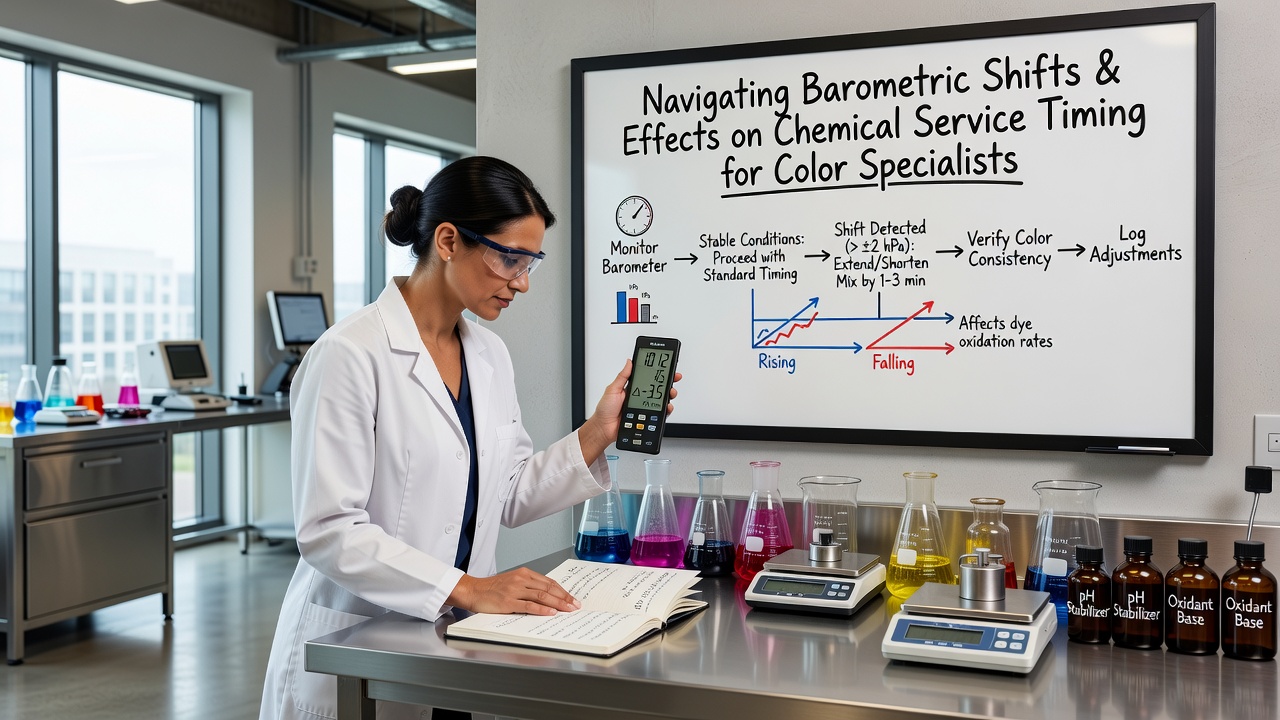
Color specialists track hourly pressure trends because even modest drops of five to ten hectopascals correlate with measurable shifts in processing speed. One documented case involved a studio team that shortened bleach application windows by three minutes when pressure fell rapidly during an afternoon thunderstorm system. Data from the German Weather Service further confirm that such rapid changes happen most frequently during transitional seasons, prompting studios to build buffer time into appointment schedules.
Practical Adjustments Color Specialists Implement
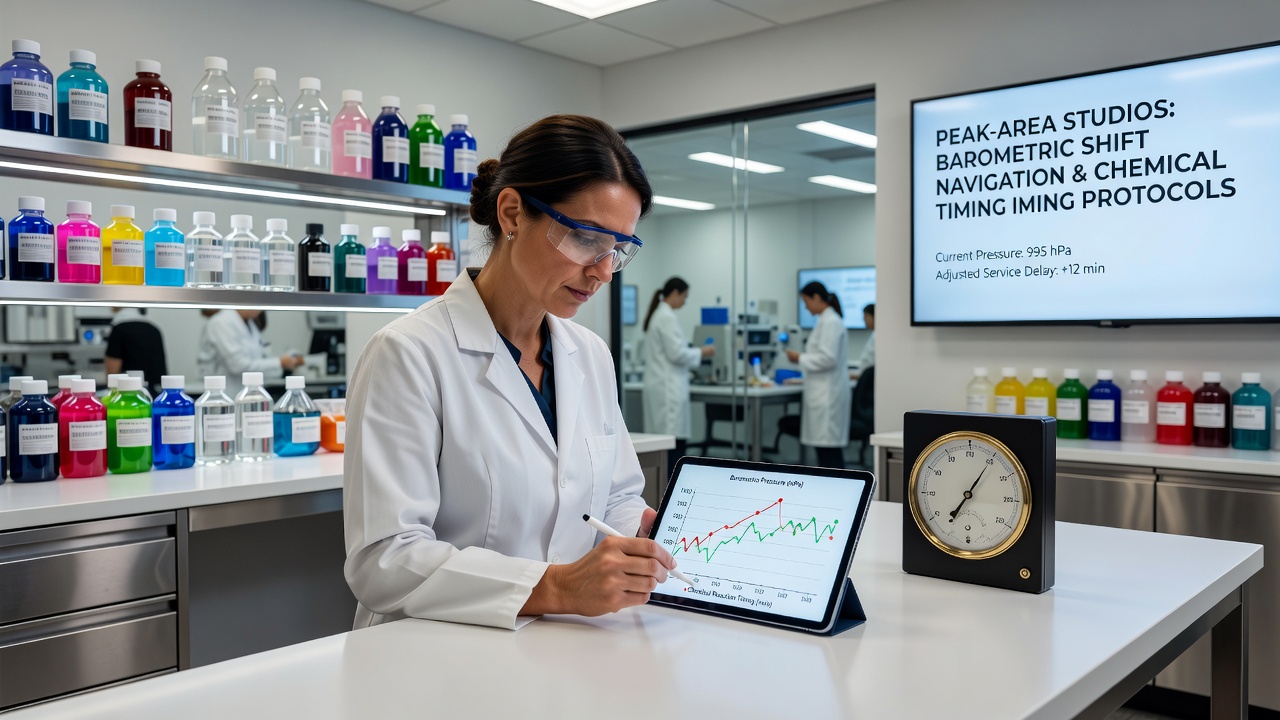
Peak-area studios maintain digital barometers integrated with scheduling software so teams receive alerts when pressure crosses defined thresholds. Specialists then modify mixing ratios or processing durations rather than altering product brands. For instance, when pressure rises above 1020 hectopascals, teams extend toner dwell times by two to four minutes to compensate for slower diffusion rates. These modifications rely on empirical records kept by each studio rather than manufacturer guidelines alone.
November 2026 brings typical late-autumn pressure patterns across many regions, with frequent low-pressure systems tracking through populated corridors. Studios in those corridors prepare by cross-referencing long-range forecasts from Environment and Climate Change Canada with their internal service logs. The approach allows color specialists to flag blocks of appointments that may require extended or reduced timing before clients arrive.
Training and Record-Keeping Practices
Color specialists undergo periodic training sessions that incorporate real pressure data alongside chemical reaction demonstrations. During these sessions teams review past service outcomes against archived weather records, which helps isolate pressure as a variable separate from humidity or temperature. Academic papers published by researchers at the University of Melbourne have examined similar atmospheric influences on cosmetic formulations, and studios adapt those findings to hair-specific applications.
Accurate record-keeping includes noting the exact pressure reading at the start and end of each chemical service. Over multiple months these logs reveal patterns that individual colorists apply when planning future appointments. Teams that maintain such records report fewer unexpected processing variations during periods of unstable weather.
Equipment and Monitoring Tools
Many peak-area studios equip color rooms with calibrated barometric sensors that feed data directly to tablets used during mixing. These devices provide continuous readings without requiring staff to consult external websites during active services. Integration with inventory systems also flags when certain formulas may need preemptive adjustments based on the upcoming three-day pressure forecast.
Specialists combine pressure data with client hair analysis to fine-tune each service. Coarse hair types respond differently to pressure-induced changes than fine hair, so teams reference both factors when deciding whether to shorten or lengthen processing intervals. This dual consideration keeps outcomes consistent even when weather systems move through the area rapidly.
Conclusion
Barometric pressure shifts require color specialists to treat timing as a dynamic variable rather than a fixed parameter. Studios that integrate meteorological data with chemical service protocols achieve more predictable results across changing weather conditions. Continued collection of pressure-linked service records supports ongoing refinement of these practices in peak-area environments.