David Franke · 7 October 2026
The Role of Local Flora in Developing Custom Hair Treatments for Alpine Clients
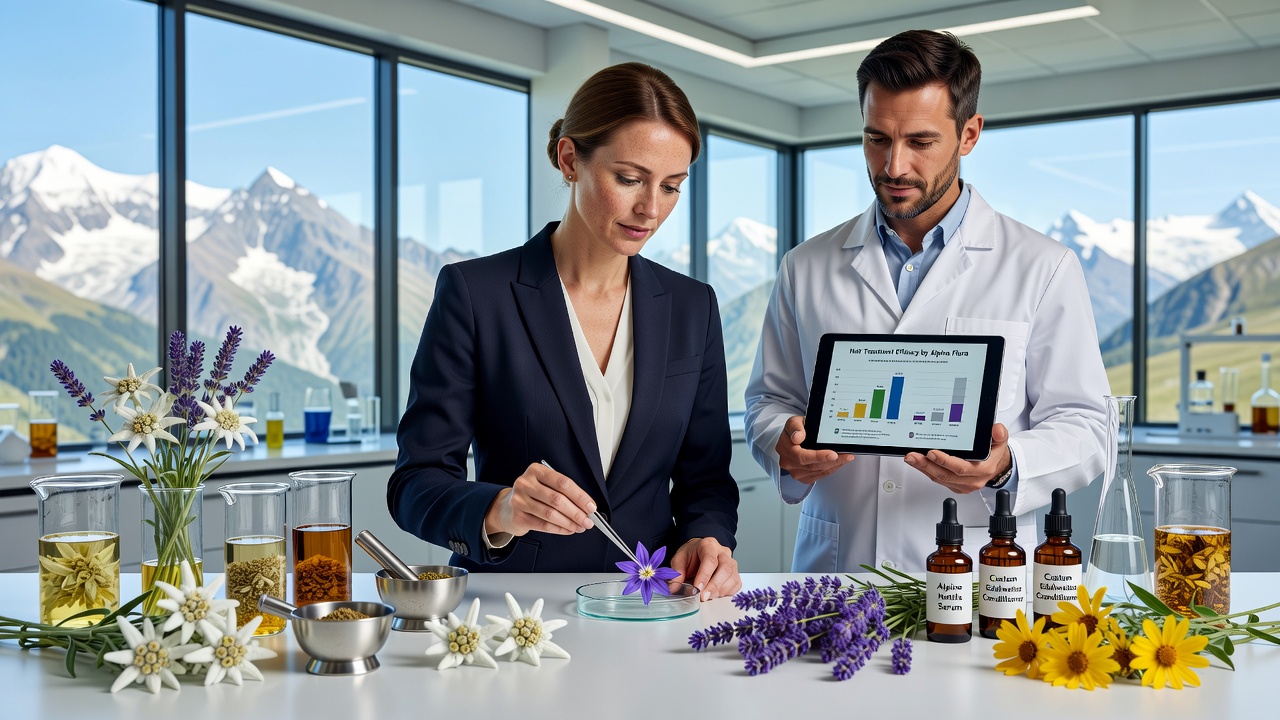
Alpine environments present distinct challenges for hair health because of intense ultraviolet exposure, low humidity, and rapid temperature shifts that strip moisture while weakening strands over time. Local flora has become central to addressing these issues through targeted extractions that salons incorporate into personalized regimens for clients living or visiting at elevation.
Key Plant Species and Their Properties
Edelweiss grows in rocky high-altitude zones and contains leontopodic acid along with flavonoids that studies link to antioxidant activity capable of shielding hair fibers from UV damage. Arnica montana, found across European mountain meadows, supplies sesquiterpene lactones that researchers associate with scalp soothing effects when formulated into rinses or masks. Pine extracts from species such as Pinus cembra deliver terpenes that help seal cuticles against moisture loss in dry air, and these compounds appear in several commercial lines developed specifically for resort settings.
Data collected by the Swiss Federal Institute for Forest, Snow and Landscape Research shows seasonal variations in active compound concentrations, with peak levels recorded during late summer harvests that inform October 2026 production schedules for winter treatment batches. Salons in these areas combine these extracts with carrier oils matched to individual hair porosity measurements taken during consultations, creating mixtures that differ from standard lowland products.
Formulation Processes in Practice
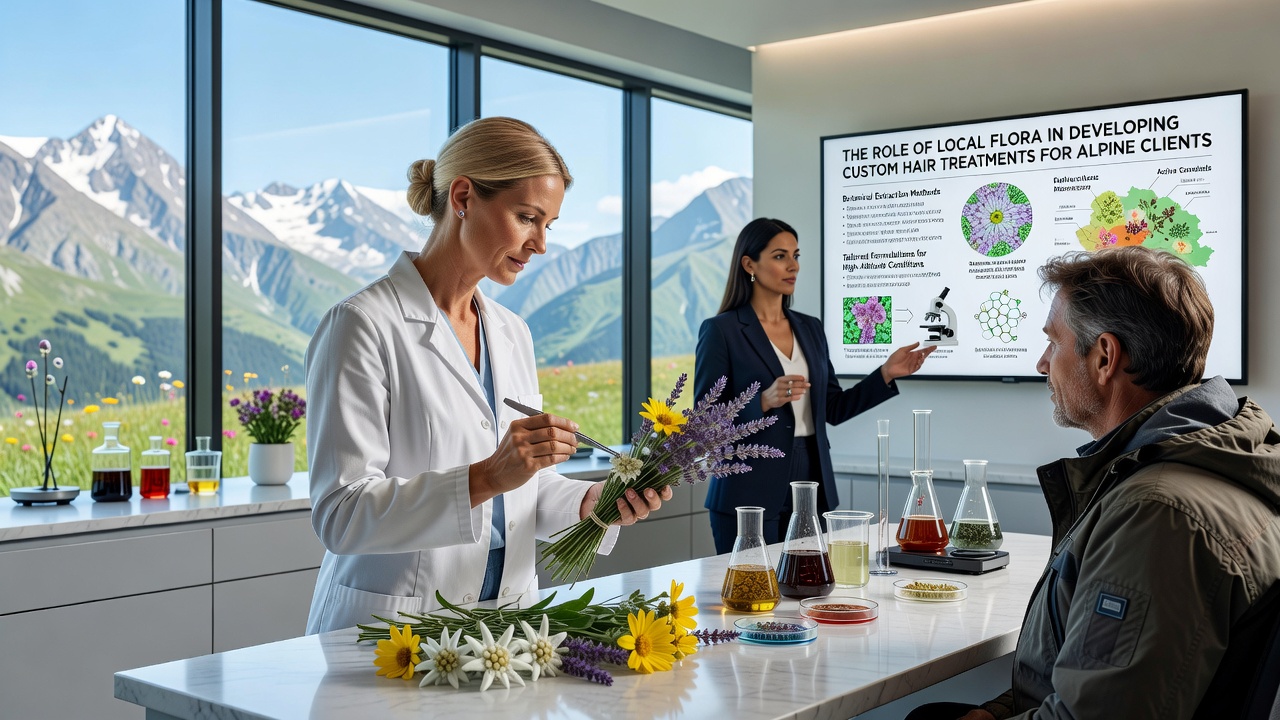
Technicians begin by assessing client hair samples under controlled humidity conditions that replicate alpine conditions, then select flora ratios based on measured elasticity and cuticle integrity. Extraction methods often involve cold pressing or gentle solvent techniques to preserve heat-sensitive molecules, after which small-batch blending occurs on site to maintain freshness. One documented approach pairs edelweiss with locally sourced beeswax for leave-in conditioners that resist wind and sun simultaneously.
What's interesting is how regulatory frameworks shape these practices. The European Commission's cosmetic ingredient database lists approved uses for many alpine-derived substances, requiring stability testing that accounts for altitude-related pressure changes during transport and storage. Meanwhile, a study published through the University of Innsbruck tracked retention rates of phenolic compounds in formulated products exposed to simulated high-elevation UV cycles, confirming that certain plant synergies extend shelf performance by measurable margins.
Client Adaptation and Regional Patterns
Clients who split time between sea-level homes and mountain properties often receive dual-protocol kits, with one set emphasizing heavier emollients for dry seasons and another featuring lighter floral infusions for transitional periods. Observers note that repeat visitors to Swiss and Austrian resorts increasingly request flora-based options after noticing reduced breakage following consistent use over multiple seasons. Trade data from industry reports indicate growing import volumes of certified wild-harvested materials into North American alpine communities as well, where similar species from the Rockies undergo parallel evaluation for comparable environmental stressors.
Supply chains rely on cooperative agreements with local gatherers who follow quotas set by regional conservation authorities, ensuring regeneration cycles remain intact. Analytical testing at independent laboratories verifies absence of heavy metals or pesticide residues before any material enters treatment development, aligning with international cosmetic safety standards that differ by jurisdiction yet share core documentation requirements.
Conclusion
Local flora integration continues to expand as measurement tools improve and extraction technologies become more precise, allowing finer calibration of treatments to the specific demands of alpine living. Ongoing documentation from multiple research centers tracks long-term outcomes across diverse client groups, providing data sets that refine future iterations without reliance on generalized lowland formulas.